Windows 11: Microsoft Acknowledges Major Glitches in Core Features, Offers Workarounds
Windows 11 Glitches and the Knowledge Graph: An In-depth Look
Windows 11 Operating System Issues
Windows 11 Glitches: Microsoft recently acknowledged widespread glitches affecting core features in Windows 11 operating system. These issues, which include the Start menu, taskbar, File Explorer, and system settings, began to appear after monthly cumulative updates released starting July 2025. These glitches are attributed to problems related to XAML components, leading to features becoming unresponsive or crashing frequently, especially when users log in for the first time, or in non-persistent OS environments such as Virtual Desktop Infrastructure (VDI). These issues have affected both Windows 11 24H2 and 25H2 versions. To temporarily mitigate these problems, Microsoft recommended solutions including manually re-registering affected packages using PowerShell commands, or using scripts to delay the launch of File Explorer (Explorer.exe) until all required Shell packages are ready. Despite Microsoft acknowledging these issues in late November 2025, they have not yet provided a specific timeline for their permanent fix.
What is a Knowledge Graph?

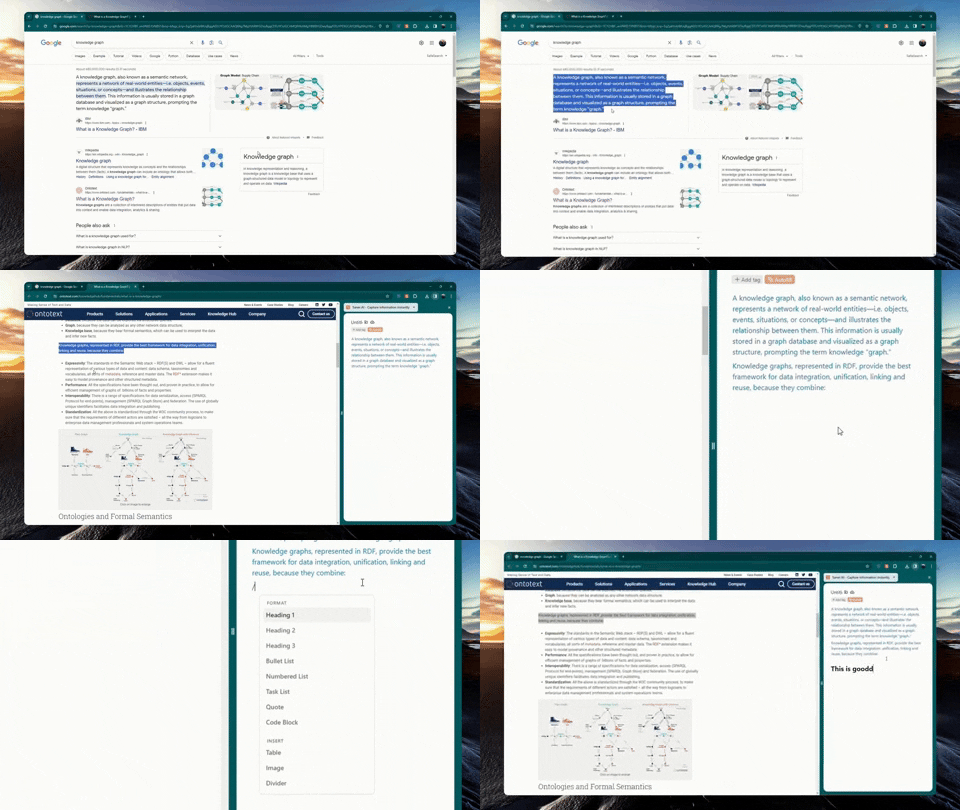
Knowledge Graph: It is a structured representation of data that illustrates real-world entities, such as people, places, events, and concepts, and how they are interconnected. It can also be defined as a collection of interconnected descriptions of entities that put data into its proper context, enabling effective data analysis and sharing. These graphs are typically stored in graph databases, which naturally preserve relationships between entities. (Source: IBM, Neo4j, Ontotext, Esri, Analytics Vidhya)
Key Components of the Knowledge Graph
Benefits of Using Knowledge Graphs
Use Cases of Knowledge Graphs

Building the Knowledge Graph

Challenges in Building Knowledge Graphs

Future Trends in Knowledge Graphs


myhome
https://www.aymany.com/

